
Corporate execs find purpose in retirement
“The ideal mix of retirement activities combines your personal passions with your leadership skills and experience, at a pace that fits your desire for work-life balance,” Anne wrote.

“The ideal mix of retirement activities combines your personal passions with your leadership skills and experience, at a pace that fits your desire for work-life balance,” Anne wrote.
There is no productive purpose for dwelling on the “woulda, shoulda, coulda” of decisions we made or failed to make throughout our lives. It works to trap us in a vicious circle.

One of my mentors wrote a wonderful blog post this morning reminding people the only two days that really matter in life are today and three years from now.
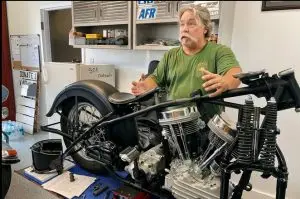
Jeff really enjoyed taking long motorcycle rides with his wife and their friends. He wanted his disabled comrades to experience the same exhilarating sense of freedom riding a bike provided.

“Here’s the truth: If you’re unhappy before you retire early, it’s likely that you’ll still be unhappy after you retire. It’s better to figure out what’s at the very core of your issues and fix them first,” Sam explained.

An article appearing in Psychology Today this week confirmed what people without purpose already know — that happiness is elusive without some sense of purpose for their lives.

Fathers are irreplaceable. Nobody will have such long-term lasting impact on the lives of their children than their fathers. Moms are important, but fathers are critical.
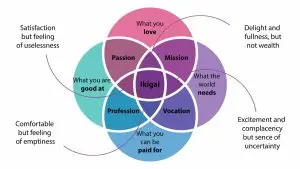
“What is it that you are going to do once you leave the workforce?” George asked. “You can retire from your career, but you can’t retire from life.”

A “what if” life fixates on past regrets, stays stuck in state of unsettledness and hindsight bias, embodying the fallacy that if only I’d done this or that, or if that awful thing didn’t happen to me things would’ve turned out better, or when this or that passes or happens, or some kind of Golden Ticket arrives, things will be fine.