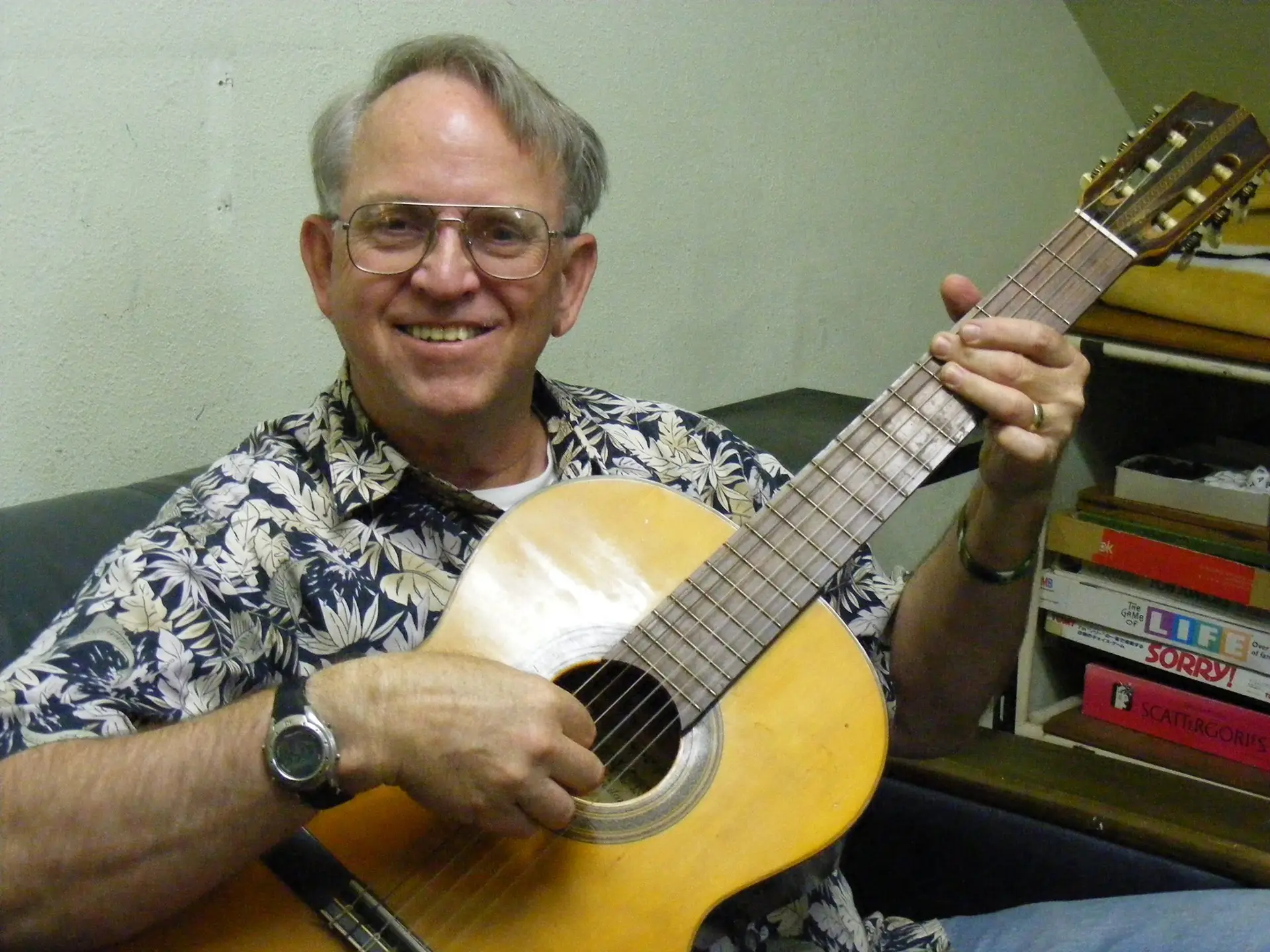
At 80 years old, Steve Moore still spends his days teaching, encouraging and helping others to discover their potential. The setting has changed over the years, but his purpose remains remarkably consistent.
“I can still be a pastor from the other side of the pulpit,” Steve explained.
That realization transformed how he viewed life after stepping away from more than three decades of ministry. What could have become a season of loss instead became a season of reinvention.
Like many people whose careers become deeply intertwined with their identities, Steve struggled when his time as a pastor came to an end.
Burnout played a role in his decision to leave his final church. Even though he knew it was the right choice, the transition brought unexpected grief.
“I wasn’t regretting my decision,” he said. “But, I think I may have been grieving, just like when you lose a loved one.”
The feeling surprised him
Pastoral ministry had occupied much of Steve’s adult life. He had served as a preacher, youth pastor, music pastor, children’s pastor and Christian education director. The work demanded long hours and constant attention to the needs of others.
Yet when it ended, Steve found himself wanting to return.
“It gets in your blood,” he said.
What eventually helped him move forward was recognizing that purpose and position are not the same thing. He no longer stood behind a pulpit each week, but he could still influence lives. He could still teach, encourage and serve.
Finding renewed purpose in music
For the past 14 years, he has operated a thriving private music studio. Steve teaches guitar, piano, ukulele, harmonica, electric bass guitar and five-string banjo as well as offer voice lessons. At one point he had more than 40 students and most weeks his schedule remains packed.
The work energizes him.
Many retirees spend years searching for something that excites them as much as their former careers. Steve found that passion in a place that had always been close to his heart.
Music was part of his life long before he entered ministry. It remained a constant companion throughout his years as a pastor. Now it serves as both vocation and ministry.
He believes learning music offers benefits that extend far beyond mastering an instrument.
“I want people to make their own music,” he said. “When you can play, you feel God’s pleasure.
For Steve, music sparks opportunities for creativity, connection and personal growth. More importantly, he sees it as a gift from God.
That belief shapes the way he teaches. Lessons often include conversations about life, perseverance and faith. Parents frequently sit in during their children’s sessions. Students arrive expecting music instruction and leave with something more.
Steve does not separate teaching from encouragement. The two have become inseparable.
His approach reflects what he believes is his primary spiritual gift and it appears everywhere in his life
“My gift is exhortation,” he said. “Another word for it is encouragement.”
It surfaces in the way he motivates struggling students or in conversations with friends. It also emerges in his writing and poetry. Even after leaving professional ministry, encouragement remains the thread connecting everything he does.
Unexpected mentoring
A friend approached Steve one day and asked if he had room in his teaching schedule. Assuming the man wanted music lessons, Steve began discussing instruments, but the friend stopped him.
“He said, ‘I don’t want harmonica lessons. I just want to pick your brain for a half hour every week.'”
The man offered to pay the same rate as Steve’s music students. What followed became an ongoing mentoring relationship. Every week they meet to discuss life, challenges and growth. The arrangement resembles coaching, counseling and discipleship all at once.
“It’s like I’m his personal pastor,” Steve said.
Experiences like that have reinforced a lesson he wishes more people understood.
Purpose is rarely confined to a job title
Many people assume retirement signals the end of their meaningful contribution. However, Steve believes later life creates opportunities to share wisdom accumulated through decades of experience.
His own life demonstrates that principle. Students seek him out for instruction and friends seek him out for counsel.
In fact, former church members still call him pastor. One man, now nearing 100 years old, continues introducing Steve that way.
“He still calls me his pastor,” Steve said. “That truly touches me.”
Leaving a ‘heart print’
Relationships like that helped Steve appreciate the lasting impact people can have on one another. He describes that impact as a “heart print.”
Much like a fingerprint, a heart print is the unique mark every person leaves on others through words, actions and attitudes. Whether intentionally or unintentionally, everyone influences the people around them.
The question is what kind of influence they leave behind.
Steve hopes his heart print communicates kindness, encouragement and faith because the concept aligns closely with one of his favorite verses from 1 Corinthians 10:33:
“I seek not my own profit, but the profit of many,” he explained.
That philosophy guides his decisions and doesn’t diminish with age.
While modern culture often emphasizes personal fulfillment, Steve believes lasting satisfaction comes through serving others. Some of his greatest joy arrives when helping someone discover a talent, overcome a challenge or gain confidence.
What’s next?
Many people over 50 begin questioning what comes next. Careers wind down, children leave home and long-established routines change. For some people, the uncertainty can feel overwhelming.
Steve encourages people to start by examining their strengths.
Find the activities that generate energy instead of exhaustion. Pay attention to the work that feels natural. Listen to trusted friends who can identify gifts and blind spots. Most importantly, keep trying new things.
He believes too many people quit before discovering what truly fits.
“It’s always too soon to quit,” he said.
That advice comes from experience. Looking back, Steve admits there are moments he wishes he had handled differently. He left some ministry positions earlier than he should have. Financially, life might have been easier had he remained in public education.
Yet, he does not dwell on regret. Instead, he focuses on what those experiences taught him.
One lesson stands above the rest. People rarely see the full picture while they are living through it.
Perspective arrives later
For that reason, Steve encourages patience during difficult seasons. What appears to be failure may actually be preparation and what feels like an ending may become a beginning.
His own story illustrates that truth. At an age when many people are slowing down, Steve continues investing in others. His calendar remains full and his students continue learning while his encouragement continues spreading.
Steve’s platform may be smaller than it once was, but the impact remains significant.
Purpose did not disappear when Steve left the pastorate. It simply found a new address.
Today, from a music studio filled with students, conversations and opportunities to encourage, he continues doing what he has always done best, and that is to help people become more than they believed possible.
In that process, Steve offers a reminder to anyone wondering what life after 50 can look like. The most meaningful chapter may still be ahead.
For more information
People can connect with Steve by email at papasteve11@gmail.com.