
People spend decades preparing financially for retirement.
They meet with advisors. They calculate withdrawals. They estimate Social Security benefits. They debate Medicare plans. They downsize homes, eliminate debt and carefully study whether they have enough money to stop working.
But, many people give surprisingly little thought to one of the most important questions of all: “What am I retiring to?”
That question often sneaks up on retirees during the first year after leaving full-time work. The schedules disappear and the meetings stop as urgency fades. Suddenly, the structure that shaped everyday life for 30 or 40 years is gone.
At first, retirement feels wonderful. There are no alarm clocks, commutes or endless emails demanding immediate attention.
People often celebrate their newfound freedom by sleeping late, taking trips and finally tackling long-postponed projects around the house. For a while, it feels like permanent vacation.
Then reality quietly arrives.
Many retirees discover that financial security alone does not create fulfillment. A healthy investment account cannot replace identity, purpose, contribution or human connection. Those things have to be intentionally rebuilt, and that is where many people struggle.
Retirement without purpose
One of the biggest mistakes retirees make during their first year is assuming they will “figure it out later.”
After years of stress and deadlines, many believe rest alone will satisfy them indefinitely. Rest certainly matters and some people truly need months to decompress after demanding careers.
But, eventually, most people crave something deeper than relaxation.
Human beings are wired for meaning. We want to feel useful contributors. We want to know that somebody benefits because we are here. Work usually provided that feeling automatically.
Even jobs people disliked still gave them structure, social interaction, goals and a sense of identity. Without realizing it, many retirees tied much of their self-worth to what they did professionally.
When retirement removes that role overnight, some people feel emotionally untethered, which can lead to boredom, irritability, loneliness and even depression.
The problem is not retirement itself. The problem is drifting into retirement without designing a meaningful next chapter.
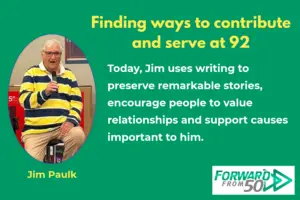
Retirees who thrive usually replace work with purpose quickly. They mentor younger people, volunteer, travel with the intention of learning something or providing an important service.
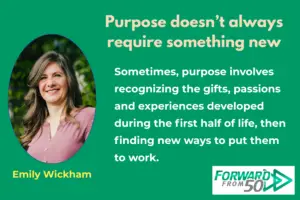
They may create art, launch a small business or serve in nonprofit organization in ways that utilize their natural talents, learned skills and unique life experiences.
Some may write books, join community organizations, become caregivers or advocates for a cause that is personally meaningful to them.
The bottom line is, they continue growing instead of simply stopping to be contributors to society.
Recreation is not enough
Many retirees enter retirement with visions of golf courses, cruises, fishing trips, pickleball leagues and endless afternoons sitting poolside. There is absolutely nothing wrong with enjoying those activities.
However, another common mistake is trying to turn retirement into a nonstop recreation schedule. When recreation becomes the entire plan, discontent often replaces feelings of rest or relaxation.
Vacations feel special partly because they are temporary. But, leisure loses much of its emotional impact when it becomes the only daily focus for years at a time.
Many retirees quietly discover this during their first year. After enough restaurant lunches, beach trips and rounds of golf, some begin asking themselves uncomfortable questions.
“Is this all there is?”
People rarely say that publicly because retirement is supposed to look carefree and happy. Yet, many retirees privately admit they miss feeling needed, accomplishing important things and having goals larger than entertainment.
Fun alone does not often sustain most people emotionally, but having a sense of purpose does.
The happiest retirees often balance recreation with contribution. They enjoy freedom while also investing themselves in something meaningful. They stay mentally engaged and emotionally connected to the world around them.
They keep building memories and skills instead of merely consuming experiences.
Trying to live exactly like their working years
Another mistake retirees make is attempting to recreate their old lives instead of embracing a new season.
Some retirees maintain the same frantic pace they had while working. They overcommit and fill every hour with errands, appointments and obligations because slowing down feels uncomfortable.
Others structure retirement around routines that no longer fit who they are becoming. They keep living by the clock even when they no longer need to.
Retirement offers an opportunity to re-evaluate priorities, relationships and values. Yet, many people never pause long enough to ask what they truly want this chapter to become.
For decades, life may have revolved around career advancement, raising children or financial survival. Retirement creates space to rediscover forgotten interests and passions. But, that rediscovery requires intentional reflection about what they really want their lives to look like in retirement.
People who thrive in retirement often give themselves permission to evolve. They become more curious, flexible and willing to try things they never had time to explore before — or intentionally abandoned years ago to pursue “more practical” endeavors.
Instead of asking, “How do I preserve my old life?” they need to ask, “Who do I want to become now?”
Neglecting relationships
Many retirees also underestimate how much social connection truly matters to their lives.
Work naturally provided daily interaction. Conversations happened in hallways, at meetings, in break rooms and on job sites. Retirement can dramatically reduce that built-in social contact overnight.
As a result, some retirees become isolated without realizing how quickly it happens.
Friends may still be working and adult children may be busy raising families of their own. Physical distance can also make spontaneous connection difficult. Over time, loneliness quietly grows to the point retirees find themselves socially isolated.
Research consistently shows that strong relationships play a major role in emotional and physical well-being as people age.
The retirees who flourish often become intentional about forming new relationships. They join groups, attend classes, volunteer regularly, travel with friends or new groups of people. They also participate in faith communities where they can stay connected across generations.
They understand that meaningful relationships rarely happen accidentally. They must be nurtured.
The opportunity hidden inside retirement
The first year of retirement can feel surprisingly disorienting because people are navigating far more than finances. They are redefining their identity and that takes time.
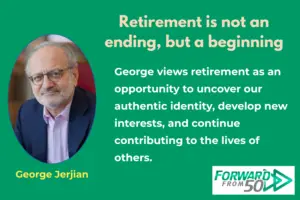
The good news is that retirement also creates extraordinary opportunity.
Many people finally have the freedom to pursue passions they postponed for decades. They can invest in relationships, creativity, service, health and personal growth in ways their working lives never allowed.
Retirement does not have to become a slow withdrawal from life. For many people, it becomes the beginning of their most meaningful chapter, but that rarely happens by accident.
Financial preparation matters tremendously because people absolutely need a solid plan for managing money during retirement. Yet, financial security alone is not enough.
People also need preparation emotionally, socially and spiritually. They need to prepare a sense of purpose to guide the second half of their lives.
At some point, every retiree eventually discovers the same truth: A meaningful life cannot be built solely around avoiding work. It must be built around embracing some type of meaningful purpose.