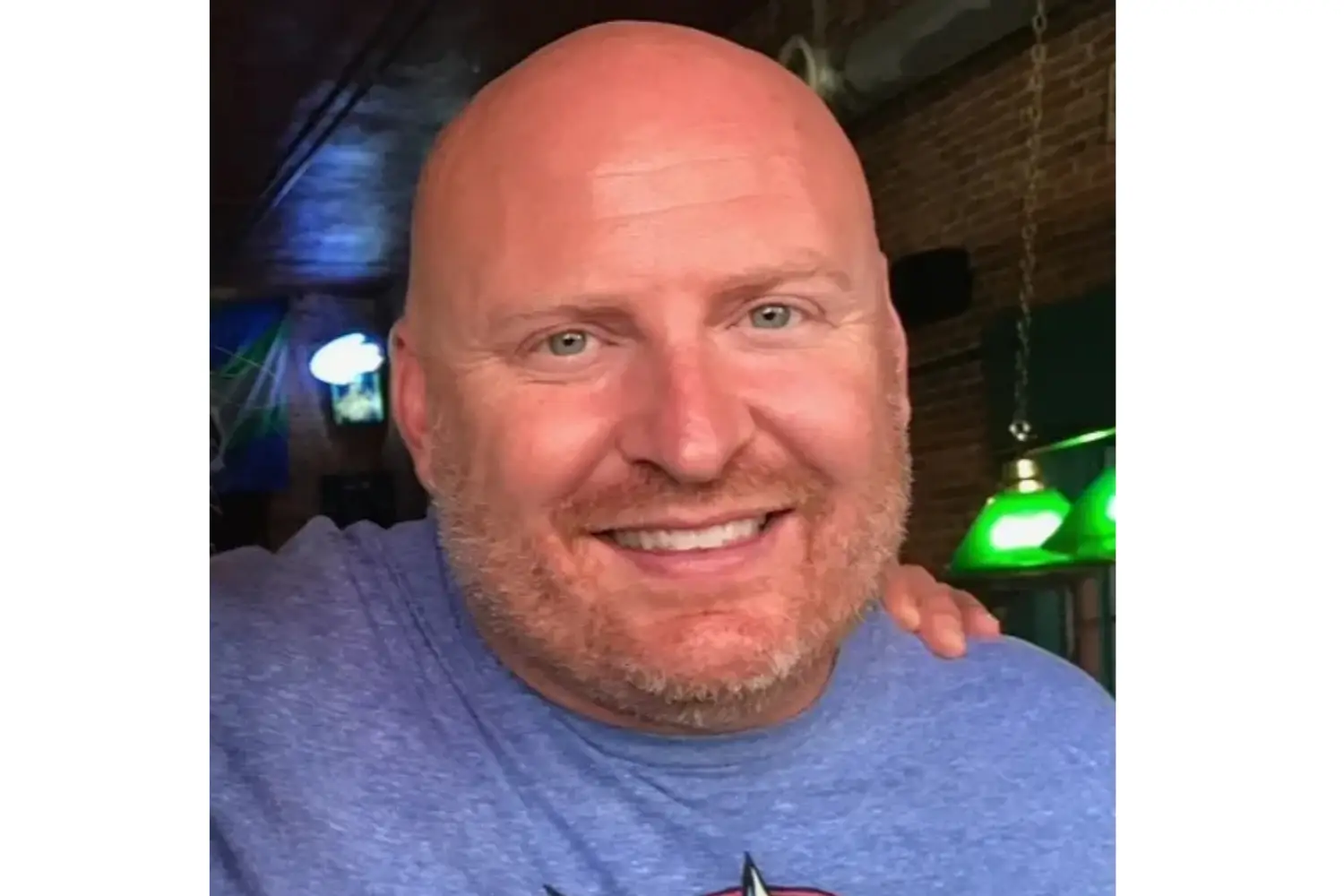
At an age when many people are thinking about slowing down, Jim Boad chose to build something far more meaningful than another business.
After spending decades as a successful real estate investor, Jim discovered that the work giving him the greatest fulfillment was not selling homes. Rather, it was helping people reclaim their lives wrecked by addiction.
“I’ve never got this anywhere else in anything I’ve done,” Jim said. “It was cool handing a young couple the keys to their first home, but this is different. Here, I’m helping to change somebody’s life.”
That realization reshaped his future after turning 50.
Today, Jim operates multiple sober living homes near his community outside Seattle. He is also teaching others around the country how to create similar programs through his Group Home Accelerator training program.
What started as a business opportunity during the uncertainty of COVID evolved into a purpose-driven mission that now defines his life.
For Jim, the pivot was not just about income. It was about impact.
“I wish I would’ve started doing this a long time ago,” he said. “It definitely would’ve been the only thing I focused on.”
A delayed calling
Jim built a successful real estate career over 25 years. Starting with one property in Phoenix, he slowly expanded into flipping and renovating homes. Eventually, he managed multiple projects simultaneously and built a profitable business.
But, the desire to give back kept lingering in the background.
“I always wanted to do more philanthropic things,” Jim said. “But, it was always, ‘Next year, after I finish this project or once I hit this milestone.’”
Like many people in midlife, Jim convinced himself there would always be more time later.
Then COVID disrupted everything.
Government restrictions prevented landlords from removing tenants who stopped paying rent. Courts shut down eviction proceedings. Jim suddenly found himself trapped in uncertainty while his traditional business model struggled.
One evening, while scrolling online, he stumbled across information about sober living homes. At first, he misunderstood what they were.
“A lot of people think it’s where you go to get clean,” Jim said. “But, you don’t get clean in sober living. You stay clean in those homes.”
The distinction changed his perspective. These homes provide structured housing for people who have completed treatment programs and want accountability while rebuilding their lives.
Residents attend recovery meetings, follow household rules and learn how to live responsibly again. It was an idea which struck a deeply personal chord for Jim.
He grew up around addiction and alcoholism, and understood the damage it could inflict on families. Years earlier, he had also helped a nephew relocate and recover from addiction by living under structured conditions in one of his properties.
Without realizing it, Jim had already been creating the kind of environment sober living homes provide.
A place to rebuild
Today, Jim’s homes are designed to offer stability during one of life’s most vulnerable transitions. Residents often arrive with very little.
“Most people are coming to us from hitting rock bottom,” Jim said. “They’re not moving in with six Louis Vuitton bags. I’ll literally have guys moving in with a garbage bag.”
The homes are fully furnished and move-in ready, but residents are expected to contribute to daily living responsibilities. They share chores, maintain the property and stay engaged in recovery programs.
Jim believes that type of structure matters.
“So many people get out of treatment and go right back around the same people and behaviors,” he said. “That’s why they relapse.”
He saw it happen firsthand. His nephew thrived while living in a structured environment away from negative influences. But, after returning home, he relapsed almost immediately.
“He was back on drugs the first week,” Jim said.
That experience reinforced Jim’s belief that recovery requires more than detox or treatment. People also need community, accountability and a stable environment.
An enormous need
Jim lives in a town of about 11,000 residents, yet his organization operates more than 50 beds that remain consistently full. Waiting lists continue to grow. The rise of fentanyl and homelessness has only intensified demand.
“We’ve got a whiteboard with names waiting for openings,” he said. “Fentanyl has made hardcore drugs of the past look mild. It changes how people think, act and live. So, recovery takes time.”
A surprising source of fulfillment
The work can be emotionally difficult. Residents sometimes relapse and others must be removed for violating rules in order to protect the rest of the household.
“That’s never fun,” Jim said. “But, I owe it to the rest of the house.”
Yet, despite those painful moments, Jim describes this chapter of life as the most rewarding work he has ever done.
“The hardest thing for me now is when somebody relapses,” he explained. “But, overall, this is actually one of the lowest-stress jobs I’ve ever had.”
The residents are not forced into the program. They want help and most are deeply grateful for the opportunity to rebuild their lives.
“I’m around people that want to do better,” Jim said. “Ninety percent are appreciative that I’m there to help them.”
He contrasts that with his experience developing luxury homes, where clients sometimes complained about cosmetic details.
“I had people upset because a countertop came from a country they didn’t like,” Jim explained. “I’m thinking, ‘How do you even know this?’”
In sober living, gratitude replaces entitlement.
“I can’t explain the pride I get when somebody leaves because they’re getting their own place or reconnecting with family,” he said.
Some residents had been estranged from loved ones for decades before entering recovery. Helping them reclaim those relationships gives Jim a profound sense of purpose.
Teaching others to create impact
As Jim’s homes succeeded, another opportunity emerged. People began asking how they could start similar programs in their own communities.
That led Jim to launch Group Home Accelerator, an online training program teaching investors and operators how to create and responsibly manage sober living homes.
Jim believes the model appeals to seasoned citizens looking for purpose and practical income.
“This is a business that helps people and changes lives,” he said. “It’s something we desperately need.”
The barrier to entry is lower than many people expect. Some operators lease homes rather than purchase them. Furnishing costs remain modest because the focus is functionality, not luxury.
Jim also teaches investors how to structure partnerships with operators who handle daily management.
“Some people want to own the homes and others want to run them,” he said. “I like connecting those people together.”
What matters most to Jim is preserving quality and accountability. Poorly managed homes can become dangerous environments that enable addiction rather than support recovery.
“If you run them poorly, you’re not helping people,” he explained. “You’re just taking a paycheck.”
That responsibility motivates him to train others carefully.
“We teach everything from start to finish,” Jim said. “Even how to scale.”
A life with intention
For many people after 50, success begins to look different. Titles, possessions and financial milestones often lose some of their appeal. Instead, people start searching for contribution, connection and purpose.
Jim understands that shift deeply.
After decades in business and wondering how much more he could accumulate, he started asking how many lives he could help improve.
Looking back, Jim believes too many people delay meaningful work because they assume there will always be another opportunity later. For years, he did exactly that, but now he encourages others not to wait.
“It’s the most fulfilling thing I’ve ever done,” he said.
For Jim, fulfillment has become the true measure of success after turning 50.
For more information
People can connect with Jim on these platforms:
- Website = www.jimboad.com
- Email = jimboad @ gmail.com
- Facebook = www.facebook.com/share/16x6EKmA8U
- Instagram = www.instagram.com/ghaccelerator
- YouTube = www.youtube.com/@GroupHomeAccelerator